 Reviews


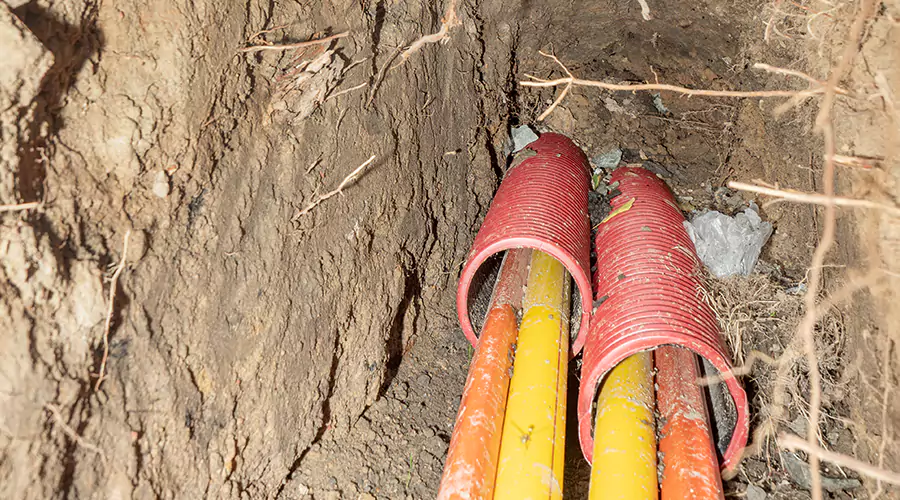
Trees add beauty, shade, and value to any property, but beneath the surface, their roots can quietly cause serious damage to your plumbing. Tree root invasion is one of the most common and costly plumbing problems homeowners face, particularly in older neighborhoods with mature trees. Left unchecked, roots can crack, block, and completely destroy underground pipes, leading to sewage backups, water loss, and expensive repairs.
In this guide, you will learn how tree roots invade your pipes, how to spot the warning signs early, and how to protect your plumbing before the damage becomes severe.
How Tree Roots Invade Plumbing Systems?
Tree roots are naturally drawn to moisture and nutrients. Underground pipes, particularly sewer and drain lines, release small amounts of water vapor that attract nearby roots. Once a root finds even the tiniest crack or loose joint, it works its way inside and begins to grow.
Once inside, roots expand rapidly into dense masses that block flow entirely. What starts as a hairline crack can become a major structural failure over time. Clay and concrete pipes common in older homes are especially vulnerable, making regular Plumbing Maintenance essential to prevent root intrusion and protect your plumbing system.
Warning Signs of Tree Root Invasion
Catching root intrusion early is the key to minimizing repair costs. Watch for these warning signs:
- Slow drains throughout the house that do not improve after standard cleaning
- Gurgling sounds from toilets or drains, indicating a partial blockage
- Frequent sewage backups in toilets, floor drains, or basement drains
- Sinkholes or sunken patches in the yard above your sewer line
- Unusually lush or green grass in a specific area, fed by leaking sewage
- Foul odors inside the home or near outdoor drains that persist without explanation
If you notice one or more of these signs, contact a licensed plumber to conduct a camera inspection of your pipes.
How to Protect Your Pipes from Tree Root Damage?
1. Know Where Your Pipes Are
Before planting any new trees or shrubs, find out exactly where your underground pipes run. Contact your local utility service for line marking, or ask a plumber to map your sewer and water lines. This simple step helps you make informed decisions about where to plant and what species to choose.
2. Choose Tree Species Wisely
Not all trees pose the same risk. Trees with aggressive root systems such as willows, poplars, silver maples, and elms are the most dangerous near pipes. When planting near sewer or water lines, opt for slow-growing species with compact root systems such as ornamental cherry trees, Japanese maples, or ornamental grasses.
As a general rule, plant trees at least 10 feet away from any underground pipe, and larger species at least 20 feet away depending on their expected mature size.
3. Install a Root Barrier
A root barrier is a physical or chemical boundary placed in the soil between trees and your pipes. Physical barriers, made from rigid plastic or fabric panels, are buried vertically in the ground to redirect root growth. Chemical barriers use slow-release compounds that discourage root growth in a targeted direction without harming the tree. Both options are available through landscaping and plumbing suppliers.
4. Use Copper Sulfate Treatments
Copper sulfate is a widely used treatment for discouraging root growth inside sewer lines. When flushed into the drain, it creates a toxic zone for roots within the pipe while remaining largely harmless to the tree above. It works best as a preventive measure rather than a cure for severe blockages.
Follow manufacturer instructions carefully and check local regulations before use, as copper sulfate is restricted in some areas.
5. Schedule Regular Pipe Inspections
One of the most effective ways to protect your plumbing from tree root invasion is to schedule annual or bi-annual camera inspections of your sewer and drain lines. A licensed plumber can insert a small camera into your pipes to check for early signs of root intrusion, cracks, or buildup before they escalate.
This is especially important for homes with mature trees in the yard or pipes made from older materials like clay or cast iron.
6. Consider Pipe Relining or Replacement
If your pipes are old, cracked, or already showing signs of root intrusion, pipe relining is an excellent protective measure. It involves inserting a smooth, seamless epoxy liner inside the existing pipe, creating a new interior surface that resists root penetration. Unlike traditional replacement, relining requires minimal excavation and is far less disruptive to your property.
For severely damaged pipes, full replacement with modern PVC piping is often the best long-term solution.
Final Thoughts
Tree root invasion is a slow and silent threat that can cause devastating damage to your plumbing if left unaddressed. By understanding how roots behave, choosing the right plants, installing root barriers, and scheduling regular inspections, you can protect your pipes and avoid costly emergency repairs.
Stay proactive, protect your plumbing, and let your trees and pipes coexist without conflict.
Frequently Asked Questions
How do I know if tree roots are in my sewer line?
The most reliable way is through a professional camera inspection. A plumber runs a small waterproof camera through your sewer line to visually identify roots, blockages, or pipe damage.
Can tree roots damage a PVC pipe?
PVC pipes resist root intrusion better than older clay or concrete pipes, but they are not immune. If joints are loose or the pipe develops a crack, roots can still find their way in over time.
How often should I treat my drains with copper sulfate?
Most plumbers recommend applying copper sulfate once or twice a year as a preventive measure, particularly in spring and fall when root growth is most active.
Is pipe relining a permanent fix for root invasion?
Pipe relining creates a seamless, joint-free inner surface that is highly resistant to future root penetration. With proper maintenance, a relined pipe can last 50 years or more.